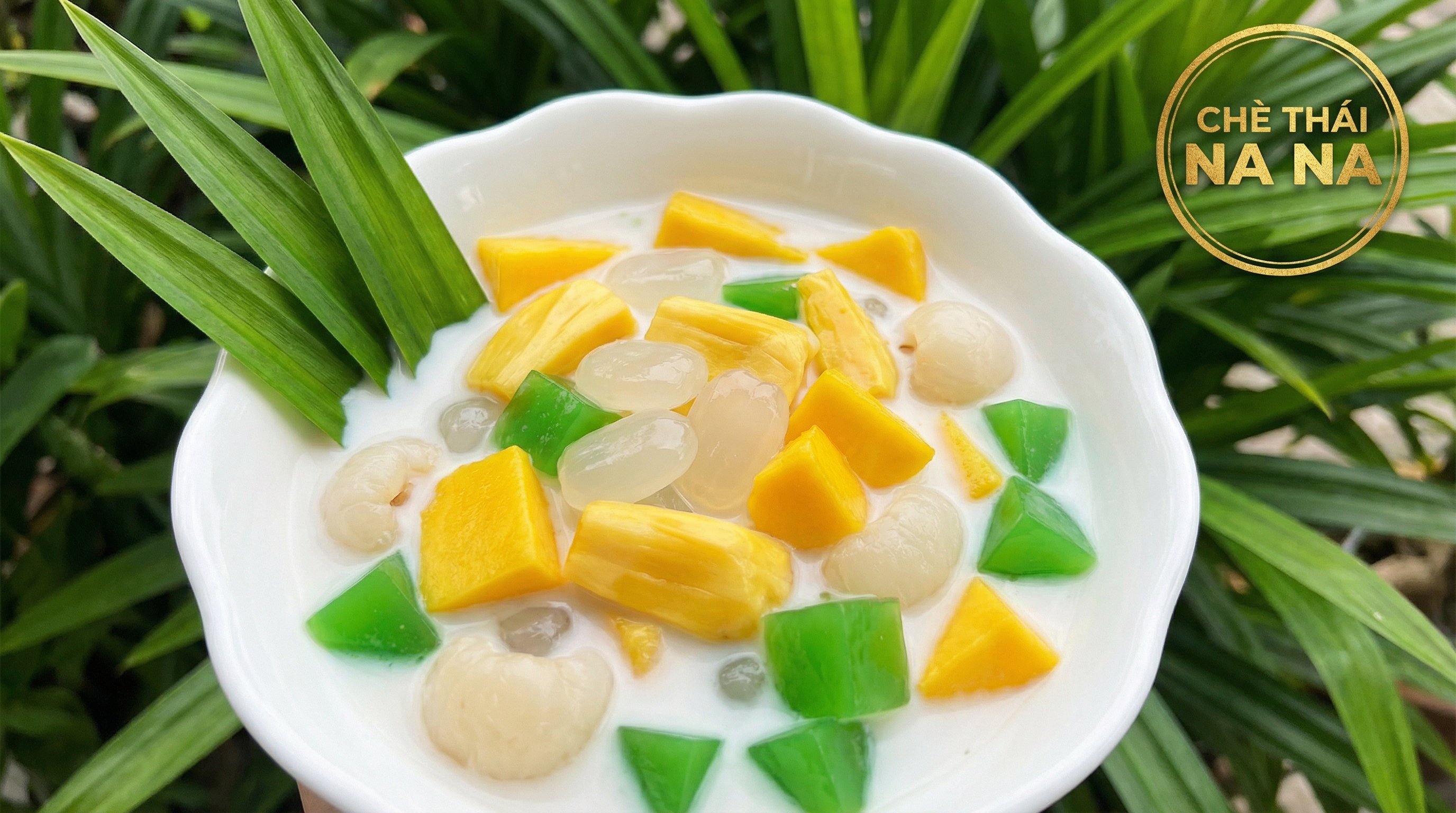
Chè is one of Vietnam's most distinctive food categories and completely unlike anything most Western visitors have encountered before. It can be a warm soup, a cold layered drink, a pudding, or something in between. It comes in dozens of varieties, costs almost nothing, and is eaten at all times of day by Vietnamese people of every age. Yet for tourists, it often gets overlooked — either because it looks unfamiliar or because nobody has explained what it actually is. This guide fixes that.
What is Chè?
The word "chè" (pronounced roughly like "cheh" with a falling tone) is a broad Vietnamese umbrella term for sweet soups, puddings, and dessert drinks. It encompasses an enormous range of preparations — anything from a simple warm pot of sweetened mung beans to a complex layered glass of coloured jellies, legumes, tropical fruit, and coconut cream poured over crushed ice.
Chè has roots stretching back many centuries in Vietnamese cuisine, and different regions have developed distinct styles and specialities. In central Vietnam — which includes Da Nang — you'll find a mix of traditional southern and central varieties, with a few Thai-influenced versions that have become popular in recent years. The common thread across all of them is sweetness, often balanced by the richness of coconut milk and the textural contrast between soft beans and firm jellies.
Don't be put off by the unfamiliar colours or ingredients. Chè is genuinely delicious and, once you've tried it, deeply addictive.
The Main Types of Chè You'll Find in Da Nang
- Chè Bà Màu — Three-Colour Chè
- The classic. Three distinct layers in a tall glass: a base of yellow mung bean paste, a middle layer of red kidney beans or agar jelly, and a top layer of bright green pandan jelly. Coconut milk is poured over the top and the whole thing is served over crushed ice. It looks striking, tastes wonderful, and is the best starting point for chè beginners. Order this first.
- Chè Thái — Thai-Influenced Chè
- A more modern, Thai-influenced variety packed with tropical fruit — jackfruit, longan, lychee — alongside nata de coco (coconut jelly cubes), tapioca pearls, and sweet syrup, all topped with coconut milk and ice. It's sweet, fruity, and immediately approachable. Very popular with younger Vietnamese diners and widely available on Grab delivery.
- Chè Bưởi — Pomelo Chè
- A more delicate, less sweet variety made with pomelo pith that has been soaked and cooked until soft, then served in a light syrup with coconut milk. The texture is pleasantly chewy and the flavour is subtly floral. It's a regional speciality that you won't find everywhere — when you see it on a menu, order it.
- Chè Đậu Xanh — Mung Bean Chè
- One of the simplest and most ancient forms of chè. Mung beans are cooked until soft in a lightly sweetened broth, sometimes with pandan for fragrance. It can be served warm or cold. It's the kind of thing Vietnamese grandmothers make at home and the flavour is comforting and deeply familiar once you've had it. Often sold at street stalls for just a few thousand dong.
- Chè Hạt Sen — Lotus Seed Chè
- Lotus seeds — a prized ingredient in Vietnamese cooking — slow-cooked in a light, fragrant syrup until they're tender and sweet. It's a restrained, elegant chè with a cleaner flavour than some of the more elaborate varieties. Served warm, it's particularly good on cooler evenings. Look for it at traditional chè shops rather than street carts.
Where to Try Chè in Da Nang
-
Chè Liên — The Institution
Chè Liên is the definitive address for chè in Da Nang, and one of the city's most beloved food establishments. A family business that has been running for decades, it draws an almost entirely local crowd in the evenings — a reliable sign of quality. The menu covers all the classics, portions are generous, and prices are extraordinarily low. We score it 8.6 overall, making it one of Da Nang's top-rated dessert destinations. If you visit one chè spot in Da Nang, make it this one.
-
Chè Thái NaNa — Thai Style, Good for Groups
A popular Thai-style chè franchise with multiple locations in Da Nang and a strong Grab delivery presence. Their chè thái is reliably good and comes in generous portions — ideal for groups who want to try a variety of flavours without committing to one thing. The modern, bright interiors make it a comfortable choice for tourists who might feel hesitant about more traditional-looking chè stalls.
-
Street Vendors — Everywhere, Cheap, Fun
Street chè vendors are part of Da Nang's daily rhythm. You'll find them at markets, along residential streets, near schools in the afternoon, and at the edges of parks in the evening. They typically sell two or three varieties from a cart or small table, priced at 10,000–25,000 VND per serving. The quality is often excellent — these vendors rely on repeat local customers and can't afford to be mediocre. Point at what looks good and hand over your money. It's one of the most enjoyable food experiences in Vietnam.
How to Order Chè
Ordering chè is easier than it might look. Here's everything you need to know:
- Pointing works perfectly. At any chè shop or stall, the varieties are usually displayed in glass containers or on a photo menu. Point at what you want — the vendor will understand immediately. No Vietnamese required.
- The essential phrase: "Cho tôi một ly chè" (pronounced roughly "chaw toy moat lee cheh") means "Give me a glass of chè." Optional but fun to try.
- Cold or warm? Most chè is served cold with crushed ice (ask for "đá" — pronounced "da" — if you want ice). Some varieties like chè đậu xanh and chè hạt sen are also available warm. The cold versions are generally more refreshing in Da Nang's heat.
- Portion sizes: A standard serving is usually 200–300ml in a tall glass or bowl. It's filling — one serving is enough for most people.
- Allergies: Many chè varieties contain coconut milk, legumes, and glutinous rice. If you have a nut allergy, check before ordering as some varieties include peanuts.
Is Chè Worth Trying?
Emphatically yes. Even if the colours look unusual, the textures are unfamiliar, or you're not sure what you're looking at — try it. The flavours are genuinely delicious: sweet without being cloying, refreshing in the heat, and deeply satisfying in a way that's hard to explain until you've experienced it. Chè is also extraordinarily cheap, which means the risk of trying something you don't like is essentially zero.
The broader point is this: chè is one of Vietnam's great culinary traditions, and Da Nang has some of the best chè in the country. Visiting without trying it would be like going to Naples and skipping pizza. Don't do that.